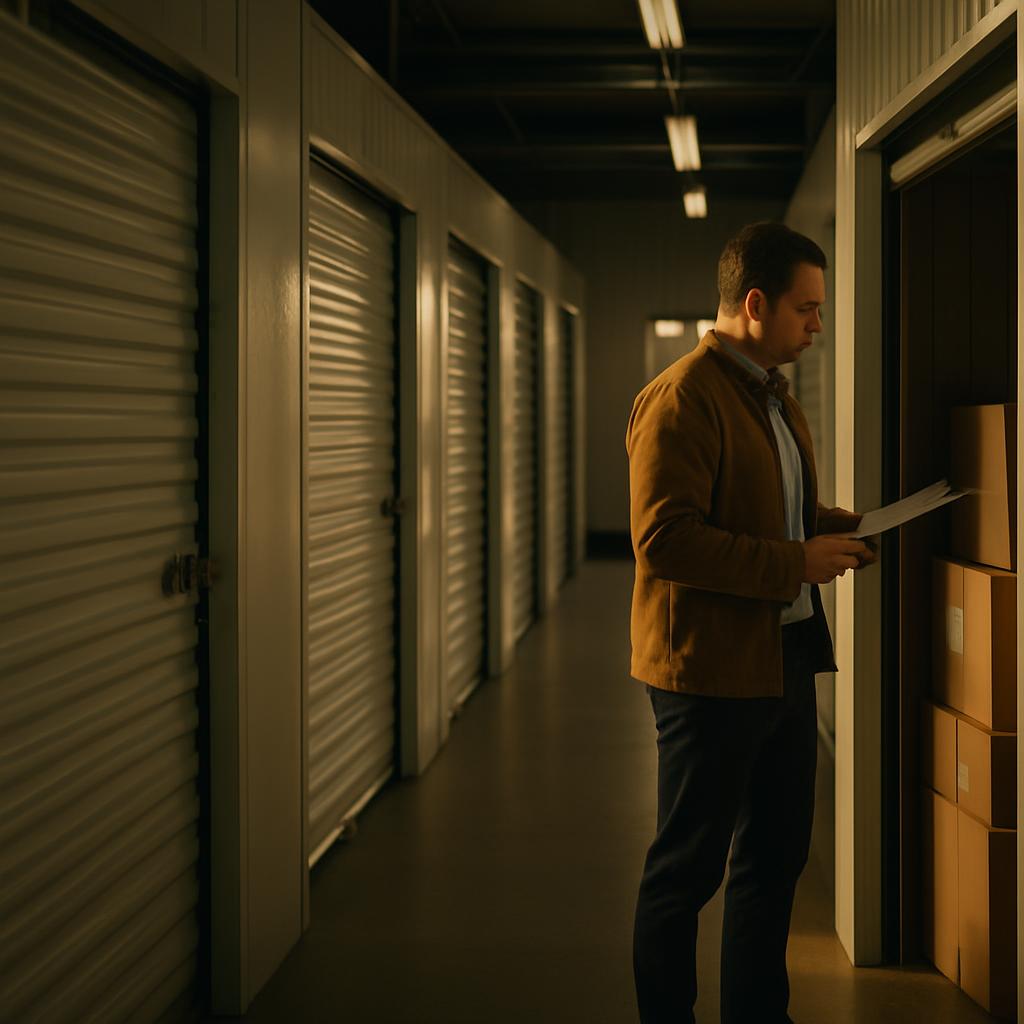
Picking Self Storage in Westoe: What Actually Matters
Find Out More →If you're about to pick a self storage provider in Westoe, you've probably already noticed there aren't loads of options locally. That's actually useful—it means you can do proper homework instead of getting lost in endless choice. But it also means getting it wrong is more annoying, because switching providers later costs time and money you didn't budget for.
Here's what separates the good ones from the rest, based on what actually matters when you're storing your stuff in Westoe.
How Much Space Do You Really Need?
Most people underestimate this, then panic six months in. Start by listing what you're actually storing—furniture, boxes, seasonal stuff, a motorbike, whatever—then measure it or do a rough visual check in your garage or spare room.
In Westoe, storage needs tend to follow patterns. You might be downsizing from a larger home, clearing out after a house move, or just running out of loft space. Some people need units seasonally—garden equipment in winter, Christmas decorations year-round. Others keep things long-term because they're not ready to let go or waiting for the right moment to sell.
The trick is picking a size that doesn't waste money but doesn't leave you cramped either. Most providers offer multiple unit sizes (small lockers, medium rooms, larger units), and it's worth asking if you can upgrade or downsize later without a penalty. Life changes, and your storage needs will too.
Security and Access—What's Actually Standard?
This matters more than people think, especially in somewhere like Westoe where properties are fairly close together and residents tend to be long-term. You want to know: Is there CCTV? Proper locks? Can you access your unit whenever you need to, or are there locked gates and limited hours?
Ask straight up. Don't let vague answers slide. A decent provider will tell you exactly what security measures they have in place. Some have 24-hour access via coded entry; others operate set hours. Neither is necessarily wrong, but you need to know which suits your life. If you're working shifts or collecting something at odd hours, restricted access becomes a real problem.
Also check the lease terms around access. Some places require notice before entry (which protects you), others don't. Make sure you're comfortable with what you're signing up for.
What About Flooding?
This one's specific to Westoe, and honestly, it's the question that separates local knowledge from just shopping around. We're close to the River Don and lower-lying areas near the coast, which means surface water and river flooding are real risks during heavy rain or winter weather.
Ask your storage provider directly: Where are the units located? Are they on ground level or raised? What happens during flooding events—is there drainage, sandbags, pumps? Do they have flood insurance built into the fee, or is that your responsibility?
If you're storing anything water-sensitive—documents, electronics, furniture you care about—this isn't a minor detail. It's the difference between peace of mind and a nightmare. A good local provider will have thought about this already and be able to explain their setup clearly.
Price—But Not Just the Monthly Rate
Cheap is tempting, but cheap with hidden fees is a trap. Before comparing prices, ask what's actually included in the monthly cost and what costs extra.
Common add-ons: initial setup fees, deposit, insurance, access card fees, late payment charges. Some places charge for removing your items (if you go over your unit size), for changes to your contract, or for late pickups. A few legitimate providers are transparent about all of this upfront; others bury it in the small print.
Get quotes in writing and compare the total cost over a year or two, not just the headline monthly rate. That £5 difference per month suddenly looks different when you spot a £50 setup fee on one quote and a £100 deposit on another.
Also ask about payment flexibility. Can you pay monthly, or do they lock you into quarterly or annual upfront payments? Do they accept different payment methods? Minor stuff, but it matters when you're budgeting.
Lease Terms and Exit Clauses
Read the contract properly. How long are you locked in? Can you leave early, or do you pay through the whole term? What's the notice period if you want to quit?
Some providers make it easy to leave (30 days' notice, no penalty), others make it awkward (minimum 6 or 12 months, hefty exit fees). Neither is inherently bad, but you need to know what you're signing. If you're just storing something temporarily—waiting for a house move to complete, say—a short-term flexible contract matters. If you're storing for years, locking in a good rate might be worth it.
Also check what happens if you miss a payment or violate the terms. Can they charge you extra? Can they deny you access to retrieve your belongings? These are worst-case scenarios, but they're worth understanding before you sign.
Red Flags to Walk Away From
Vague answers about security, access, or terms. If a provider won't give you straight answers or keeps dodging specific questions, that's a sign they're either disorganised or hiding something. You want clarity.
No written contract, or a contract full of jargon that won't be explained. Legitimate businesses put everything in writing and are happy to go through it with you.
Pressure to decide quickly or unreasonably high prices with no obvious reason. Good providers aren't desperate for your business; they let you take your time and decide sensibly.
No mention of flooding precautions, especially for Westoe. In an area with flood risk, ignoring the issue entirely is a red flag.
So Where Does That Leave You?
Do your homework. Ask the questions above, get everything in writing, and take your time deciding. If you'd like a more detailed rundown of what to check before you commit, this guide goes deeper into the practical specifics.
When you're ready, Self Storage Westoe can give you clear, honest answers on all of this. They know Westoe—they know the flooding risk, the local storage needs, the awkwardness of finding space in a busy area. Give them a call or visit in person, ask the questions that matter to you, and make a decision that actually works for your life.
Looking for Self Storage near Westoe?
We have secure, flexible units available in the area. Get in touch with Self Storage Westoe today.
Find Out More →